A Walk Through Jeongeup’s Hidden Grains of Charm
Introduction
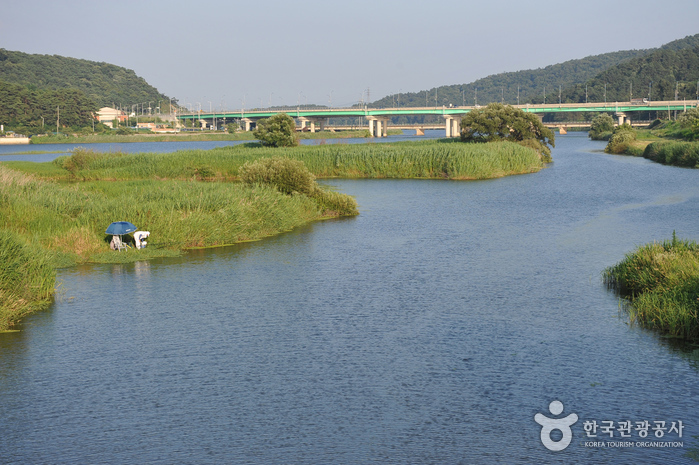
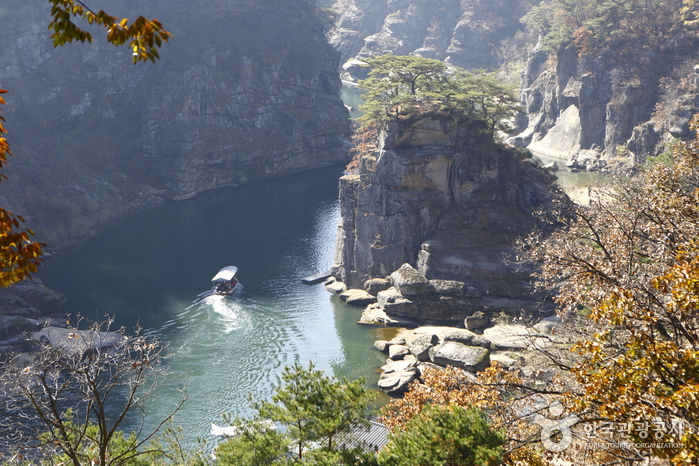
The wind that has swept down along the foothills of Naejangsan gently brushes across the fields of Jeongeup. Here, where city and nature are pleasantly blended, mountains and old houses, rivers and wild grasses layer together in a single view. If you take a day to wander, the cool scent of the forest and the quiet presence of the village slowly reveal the subtle texture that belongs only to Jeongeup.
A Walk Through Jeongeup’s Hidden Grains of Charm
Table of Contents
- Guide
- Program Information
- Impressions (or Plans)
- Where to Stay
- Restaurants & Cafés
- Nearby Attractions
- Getting There
- Closing
- Photo Snapshots
- Videos
- Related News
Guide
- Course Name — Capturing the Best of Jeongeup
- Location — Around Jeongeup-si, Jeollabuk-do Special Self-Governing Province (Naejangsan National Park, Jeongeupsa Park, Pihyangjeong, Museong Seowon, Jeongeup Kim Dong-su’s House, Okjeongho Gujeolcho Theme Park, etc.)
- Course Length — About 70 km
- Estimated Duration — About 8 hours
- Theme — Nature, history, traditional houses, and garden walking course
- Inquiries — It is recommended to contact relevant tourism departments of Jeongeup-si or use the tourist information centers.
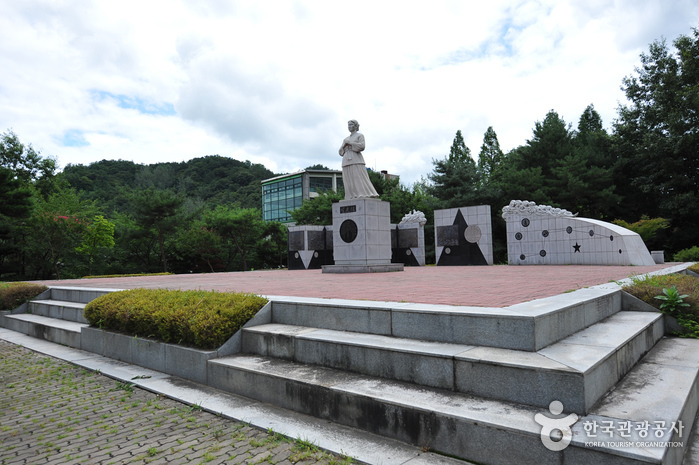
- Morning Start with a stroll in Jeongeupsa Park following the story of the Baekje folk song “Jeongeupsa,” and look around the Statue of the Waiting Wife, the song monument, and the forest playground area.
- Late Morning Move on to the Donghak Revolution 100th Anniversary Tower and Naejangsan Sculpture Park, look down over Naejang Reservoir, and reflect on the meaning of the Donghak Peasant Revolution.
- Lunch Have a set-course Korean meal or a simple home-style meal at a Korean restaurant or farm-style restaurant in downtown Jeongeup using local ingredients.
- Early Afternoon Visit Pihyangjeong Pavilion and Museong Seowon Confucian Academy, and slowly stroll around the pond, pavilion, and academy to enjoy the tranquil garden scenery.
- Afternoon At Jeongeup Kim Dong-su’s House, explore the ninety-nine-room upper-class traditional house, pond, and yard layout to experience residential culture of the past.
- Late Afternoon Head to Okjeongho Gujeolcho Theme Park and walk along the trail where the lake, Gujeolcho (Hyunmi chrysanthemum) blossoms, and pine forest come together to wrap up your day.
Combining Jeongeupsa Park with the cultural facilities in the city will help reduce travel time.
The “Capturing the Best of Jeongeup” course connects the nature and history of Jeongeup, home to Naejangsan National Park, in a one-day journey on foot. Jeongeup is known as the birthplace of the Goryeo-era folk song “Jeongeupsa” and as the hometown of General Jeon Bong-jun, leader of the Donghak Peasant Revolution. Along this route you can successively encounter the scenery of Okjeongho Lake where Gujeolcho blossoms bloom, the ridges of Naejangsan, traditional gardens and Confucian academies, and aristocratic hanok residences.
Linking Treasure Pihyangjeong—known as the finest pavilion in Honam—with Museong Seowon, which commemorates the Silla scholar Choe Chi-won, and Jeongeup Kim Dong-su’s House, a prime example of late Joseon upper-class housing, this course spans about 70 km and roughly 8 hours. Against the backdrop of Naejangsan and Okjeongho, whose colors change with the seasons, it’s an itinerary well suited to slowly savoring the serene atmosphere unique to Jeongeup.
Program Information
This park is themed around the Baekje folk song “Jeongeupsa.” The Statue of the Waiting Wife, the Jeongeupsa song monument, shrine, and story wall are scattered throughout the grounds. With sports facilities, an outdoor performance stage, a forest experience area for children, and a forest playground, it’s ideal for a light walk combined with visits to cultural facilities.
Erected in 1997 to commemorate 100 years since the Donghak Peasant Revolution, this tower stands overlooking Naejang Reservoir. The main and auxiliary towers made of granite, marble, and black stone symbolize the ideals of the revolution and the spirit of the national uprising, and can be visited together with the adjacent Naejangsan Sculpture Park.
Pihyangjeong, named for the lotus fragrance said to fill the pond, is one of the representative pavilions of the Honam region. It is said to have been built along the pond during the reign of King Jeonggang of Silla when Choe Chi-won served as governor of Taesan County. Its current appearance dates back to reconstruction during King Injo’s reign in the Joseon Dynasty and clearly showcases the architectural beauty of a traditional pavilion.
Located at the foot of Seonghwangsan Mountain, Museong Seowon was established in honor of the late Silla Confucian scholar Goun Choe Chi-won. Later, during King Sukjong’s reign in Joseon, it also came to commemorate Sin Jam, magistrate of Taein-hyeon, and has since been called by its current name. Valuable materials for the study of seowon are preserved here, allowing visitors to glimpse a space of learning and propriety alongside its neat Confucian academy architecture.
This ninety-nine-room hanok retains the characteristics of a mid-Joseon upper-class residence. It was built over about ten years on a site below Cheonghasan, regarded as an auspicious location, in the 8th year of King Jeongjo. The pond, men’s quarters, and main gate are harmoniously arranged, featuring a traditional layout that backs onto the mountain while facing clear waters.
This theme park was created on what was once called Mangyeongdae, and along the uppermost lakeshore of Okjeongho stretches a large colony of Gujeolcho flowers. About 5 ha of the total 12 ha is covered with Gujeolcho naturally growing in a pine forest, making the area especially lively in blooming season when many visitors come for walks and photography.
As the full course takes roughly 8 hours, starting early in the morning allows you to explore with a relaxed pace. If you plan ample time to linger at each major spot, you can more fully soak in Jeongeup’s distinctive quiet mood.
Jeongeupsa Park is close to downtown, so it pairs well with nearby cultural facilities such as the arts center and gugak (traditional music) center. Okjeongho Gujeolcho Theme Park draws many visitors in blooming season, so it’s best to allow extra time in your schedule for walking and breaks.
Alternating between city sections and natural sections of the course helps reduce fatigue.
Travel Impressions
On my first visit to Jeongeup, what struck me most was a feeling of “just the right amount of quiet.” The city and nature seemed to be in unusual harmony, and people appeared to favor a slower pace over hustle and bustle. Especially when wandering quietly around the Naejangsan foothills or near Jeongeupsa, it felt as though I had briefly stepped outside the routines of city life. In that stillness, the sound of the wind and leaves brushing against each other grew clearer, and I often found myself deliberately slowing my steps.
The heart of the trip was undoubtedly Naejangsan National Park. With about two to three hours, I could comfortably walk around and enjoy the scenery on an itinerary that combined the cable car, observatory, Uhwajeong Pavilion, and Naejangsa Temple. Choosing an intermediate trail allowed for a hike of around four hours for those wanting to walk more, so there was flexibility depending on stamina and preference. Mirusaem Fountain and the trail around Yongsanho Lake provided a quiet walking route during the day, and at night, the combination of lighting and scenery created a completely different mood. The teahouses along Jeongeup Ssanghwacha Street, the gukbap alley, and restaurants serving neat home-style meals and doenjang stew all left a lasting impression.
In terms of accessibility, using KTX Jeongeup Station made getting there relatively easy, and ample parking was available around Naejangsan, so traveling by car posed little inconvenience. Within Jeongeup, taxis and buses could be used to move between major points, though during foliage season or weekend afternoons, heavy visitor numbers made things somewhat crowded. Because I chose my timing well and visited during a relatively off-peak period, I was able to feel Jeongeup’s quiet sensibility even more distinctly. For couples or families hoping to spend leisurely time amidst nature and culture, this is a place you’ll likely want to return to—provided you choose the right season and time of day.
Where to Stay
Since the Jeongeup course spans downtown, Naejangsan, and the Okjeongho area, it’s best to choose accommodation with your movements in mind. Staying near Naejangsan is convenient for early-morning walks or viewing autumn foliage and nightscapes, while lodging in the city makes it easy to enjoy Ssanghwacha Street and the restaurant districts.
Restaurants & Cafés
There are plenty of restaurants and cafés both in downtown Jeongeup and near Naejangsan where you can eat and rest before or after hiking. Taking your route into account and dividing your stops between the intercity bus terminal area, the entrance to Naejangsan, and the downtown café streets makes for a much more relaxed schedule.
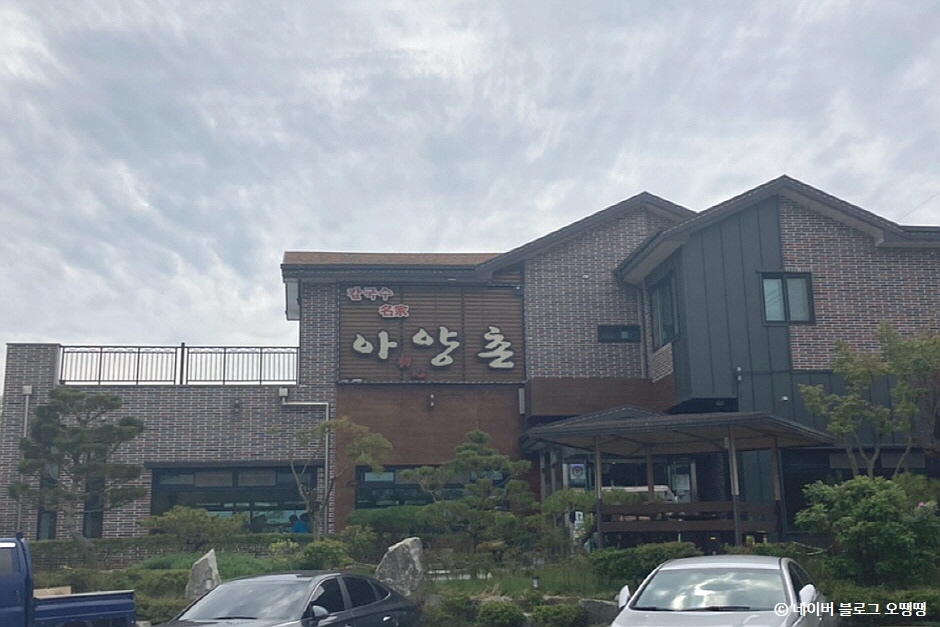
25 Songsan 1-gil, Jeongeup-si, Jeollabuk-do Special Self-Governing Province
Restaurant specializing in rich, savory seafood kalguksu (knife-cut noodles)
Ideally placed between Naejangsan and the city for a meal before or after a hike.
Distance: 0.4 km
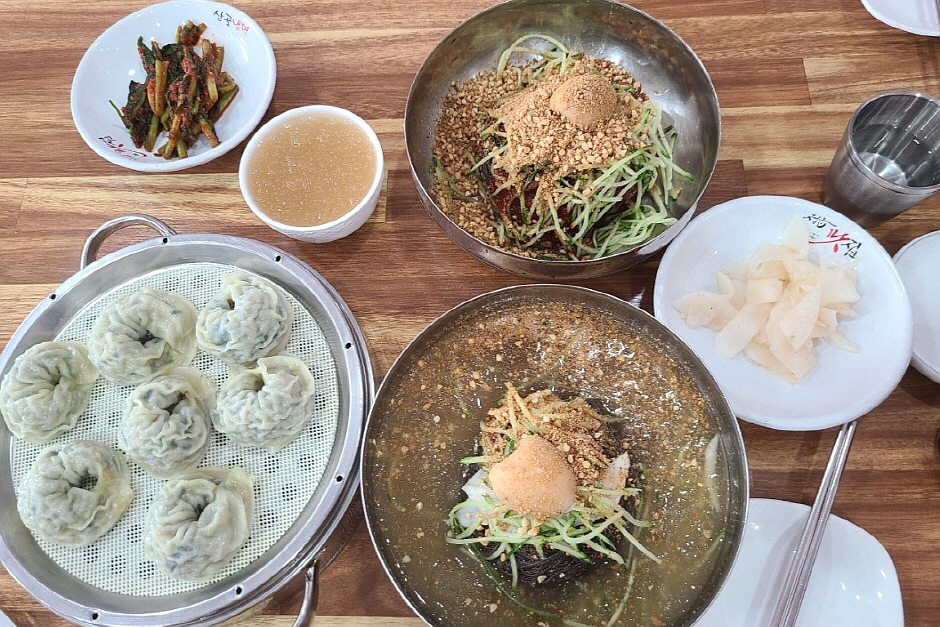
Sangol Naengmyeon, 16-8 Naejangsan-ro, Jeongeup-si, Jeollabuk-do Special Self-Governing Province
A place near the entrance to Naejangsan where you can enjoy refreshing naengmyeon
Good for a light meal or lunch after hiking.
Distance: 1.1 km
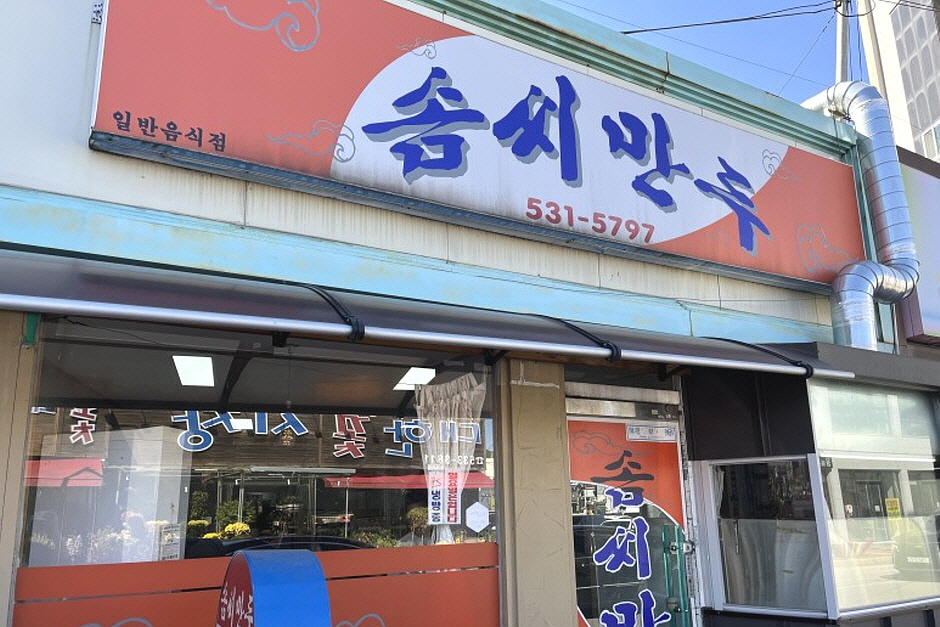
Gohyangjip Restaurant, 162 Jungang-ro, Jeongeup-si, Jeollabuk-do Special Self-Governing Province
Casual spot for a simple meal of dumplings and snack foods
Convenient for a quick bite while moving around downtown.
Distance: 1.6 km
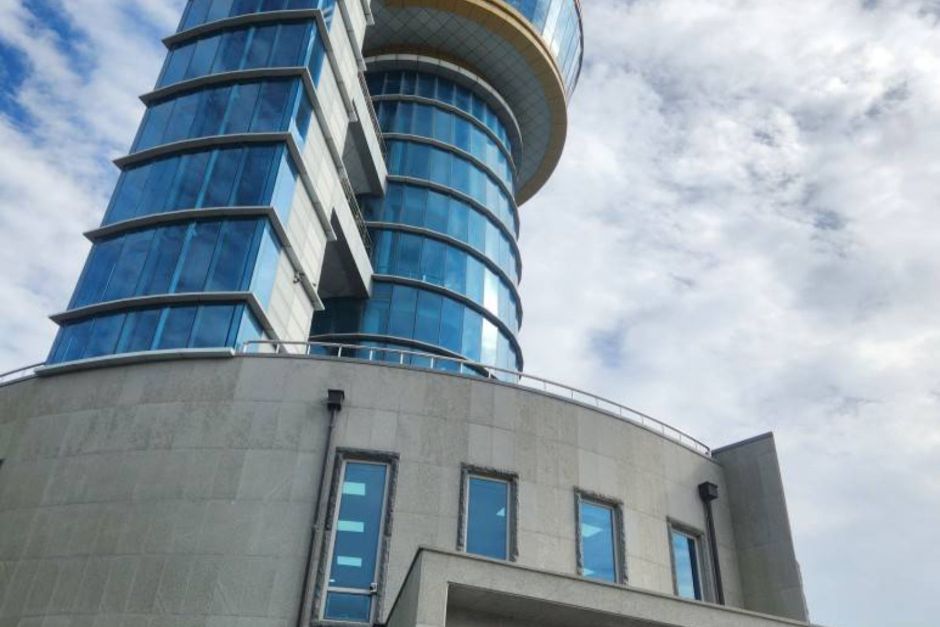
222 Naejangsan-ro, Geumbung-dong, Jeongeup-si, Jeollabuk-do Special Self-Governing Province
A café-style space that’s great for a stopover on a Naejangsan drive
Perfect for a coffee and short rest before or after a walk.
Distance: 2.6 km
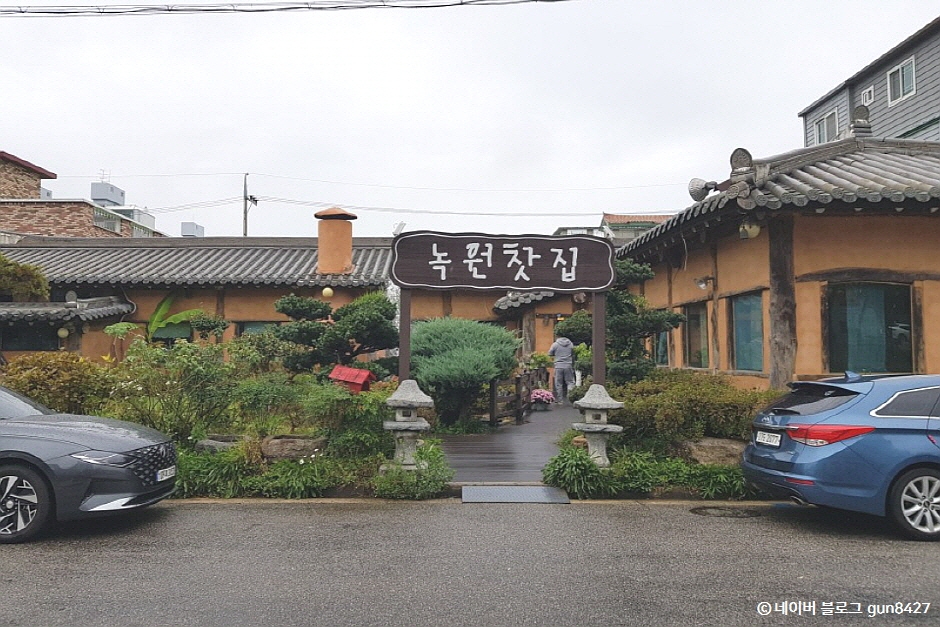
Nondureong Batdureong, 43-3 Suseong 3-ro, Jeongeup-si, Jeollabuk-do Special Self-Governing Province
Teahouse where you can enjoy traditional tea in a quiet setting
A relaxing place to rest after a walk around downtown Jeongeup.
Distance: 3.5 km
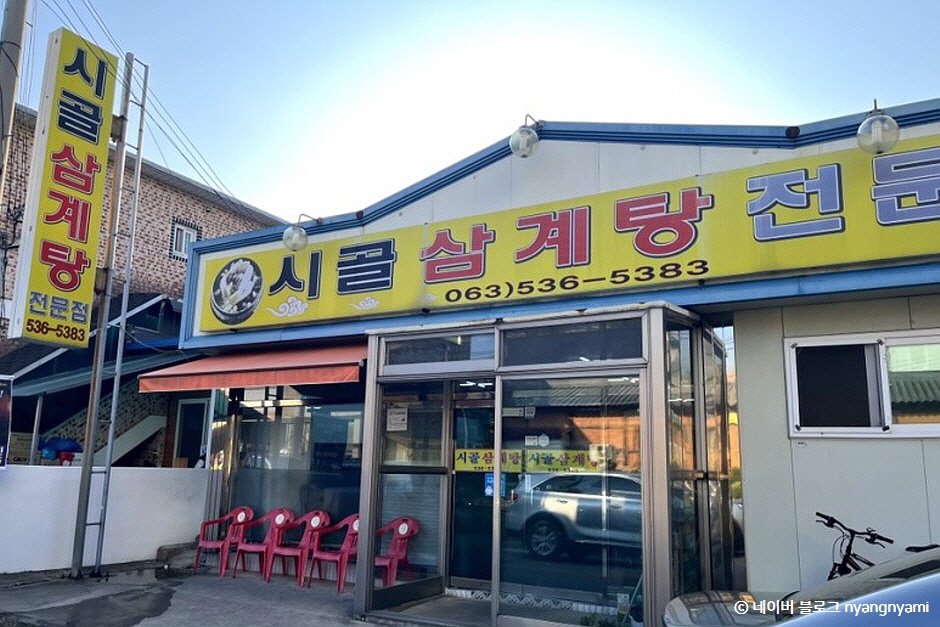
Sigol Samgyetang Specialty, 39-7 Suseong 3-ro, Jeongeup-si, Jeollabuk-do Special Self-Governing Province
A place to recharge with a hearty bowl of ginseng chicken soup
Ideal for dinner after a long full-day course.
Distance: 3.5 km
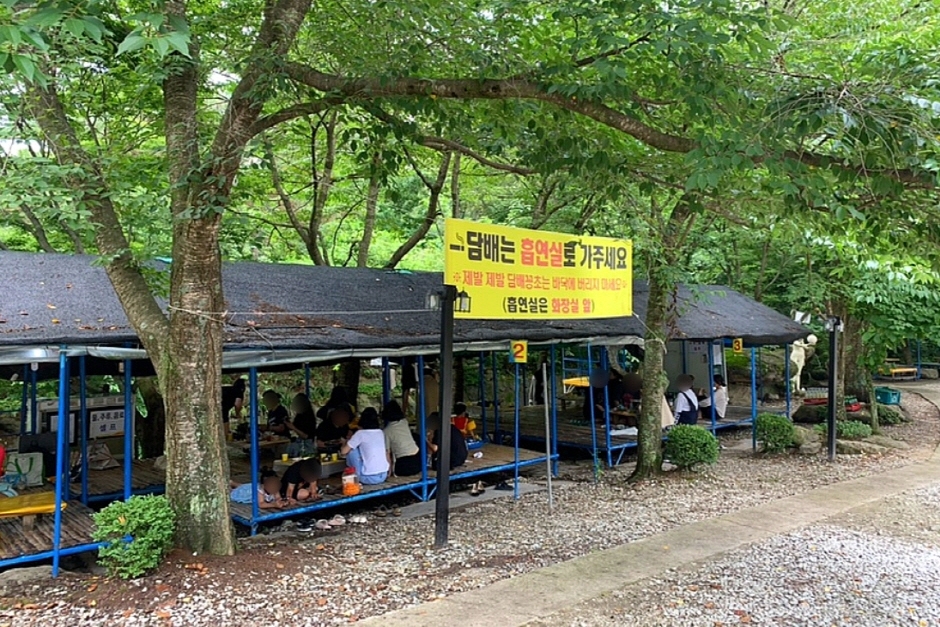
Saejae Garden, 133 Baekhak 2-gil, Jeongeup-si, Jeollabuk-do Special Self-Governing Province
Korean restaurant where you can dine surrounded by nature
Pairs well with an itinerary around Okjeongho.
Distance: 6.1 km
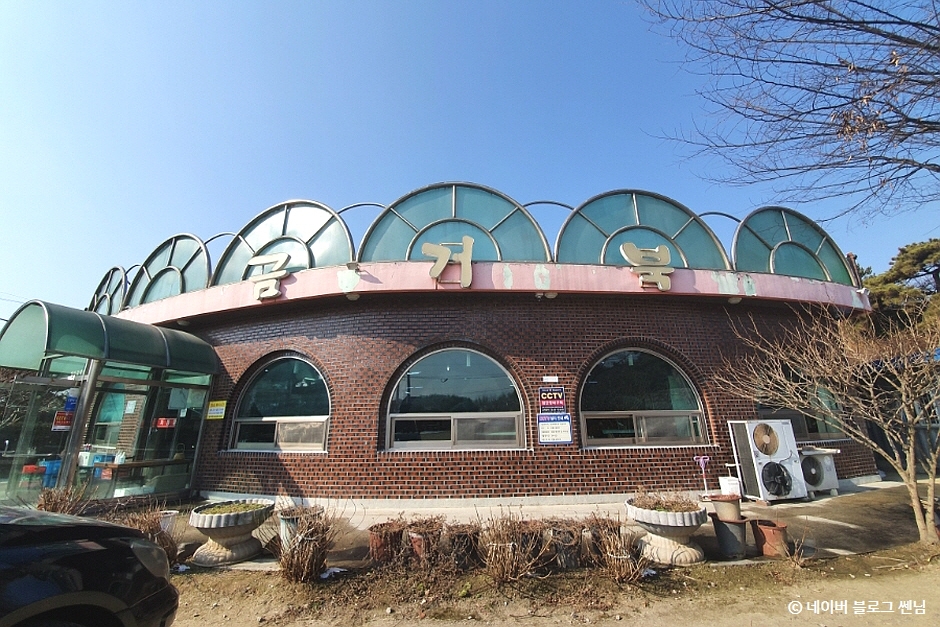
Geum Geobuk, 665 Jeongeupbuk-ro, Jeongeup-si, Jeollabuk-do Special Self-Governing Province
Restaurant convenient when traveling toward the northern side of Jeongeup
Nice to combine with a drive along the outskirts of the city.
Distance: 7.8 km
For Naejangsan hikes, use restaurants near the park entrance before or after, and after walking downtown, make use of Ssanghwacha Street and cafés to naturally divide your route.
Nearby Attractions
If you want to enjoy the Jeongeup course at a leisurely pace, consider splitting your visit to Naejangsan, downtown, and the Okjeongho area over separate days or into half-day courses. The distances between them are not great, so with a car or public transport you can easily tour them without strain.
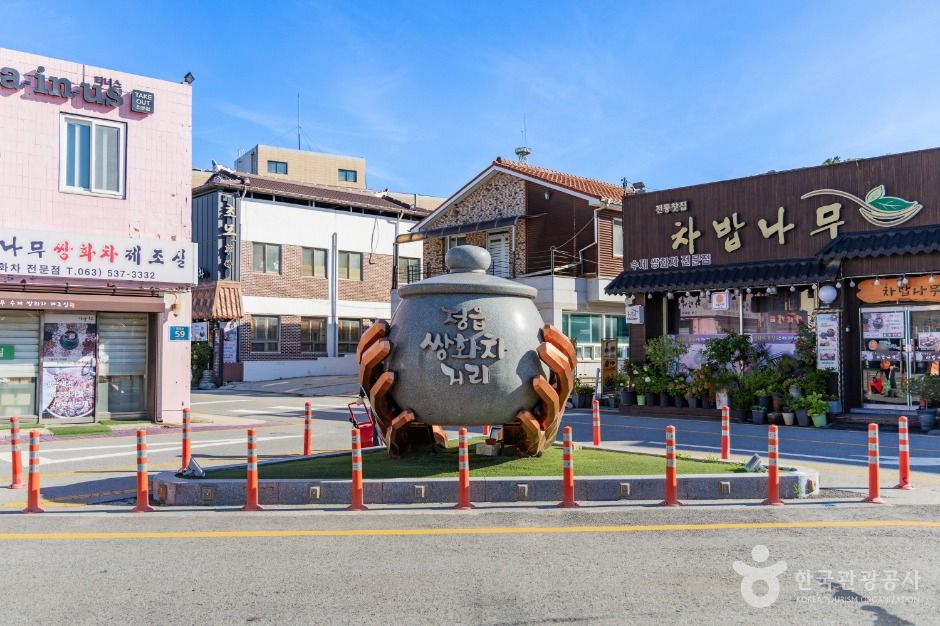
173 Jungang 1-gil, Jangmyeong-dong, Jeongeup-si, Jeollabuk-do Special Self-Governing Province
Jeongeup’s signature tea street for traditional ssanghwacha and various other teas
Perfect for a slow stroll, dropping into whichever teahouses catch your eye.
Distance: 1.7 km
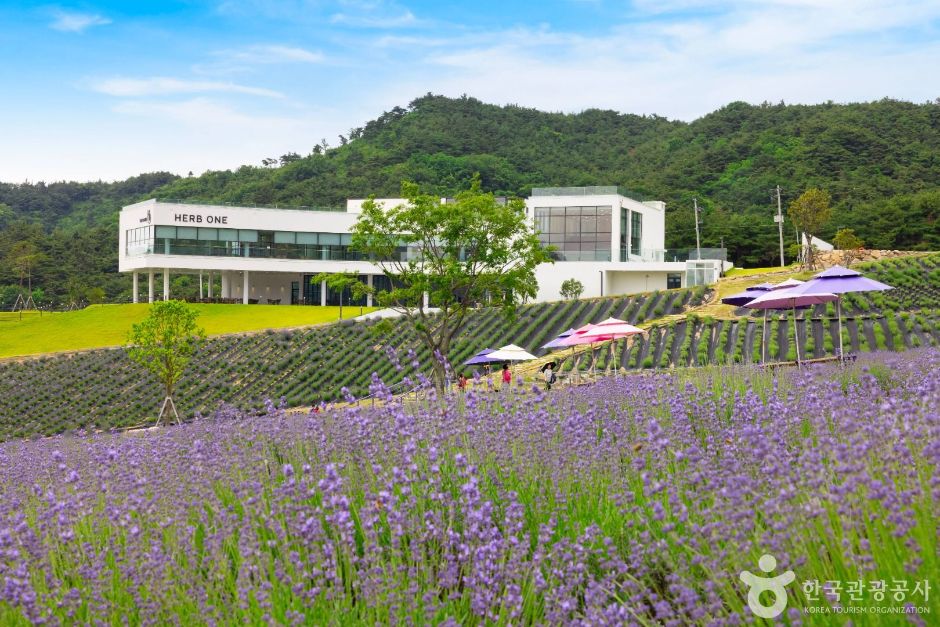
188-29 Guryang 1-gil, Guryong-dong, Jeongeup-si, Jeollabuk-do Special Self-Governing Province
Garden-style attraction themed around herbs and flowers
Enjoy a fragrant walk through gardens that change with the seasons.
Distance: 3.3 km
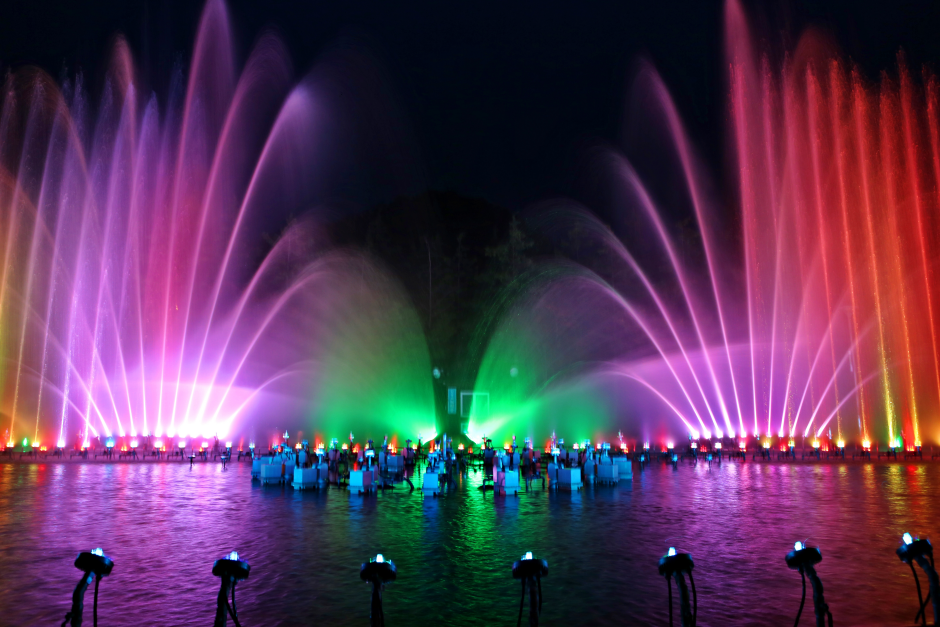
37 Naejanghoban-ro, Jeongeup-si, Jeollabuk-do Special Self-Governing Province
Water park ideal for summer water play and family outings
A good place to add some relaxation and fun to a Naejangsan trip.
Distance: 4.7 km
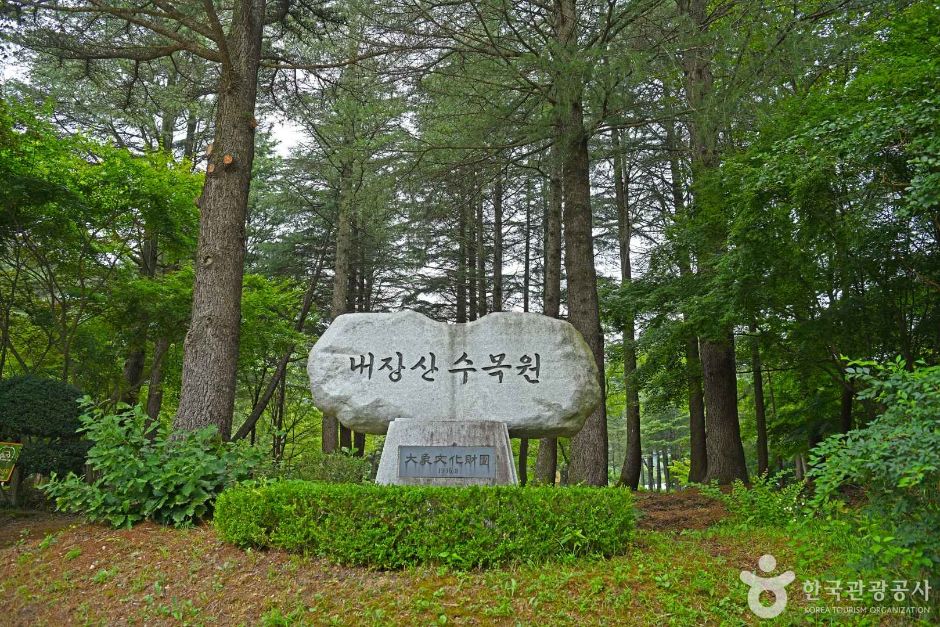
194-28 Naejanghoban-ro, Jeongeup-si, Jeollabuk-do Special Self-Governing Province
Arboretum where you can observe diverse trees and vegetation on Naejangsan’s slopes
Walk slowly along the paths and enjoy different scenery each season.
Distance: 5.6 km
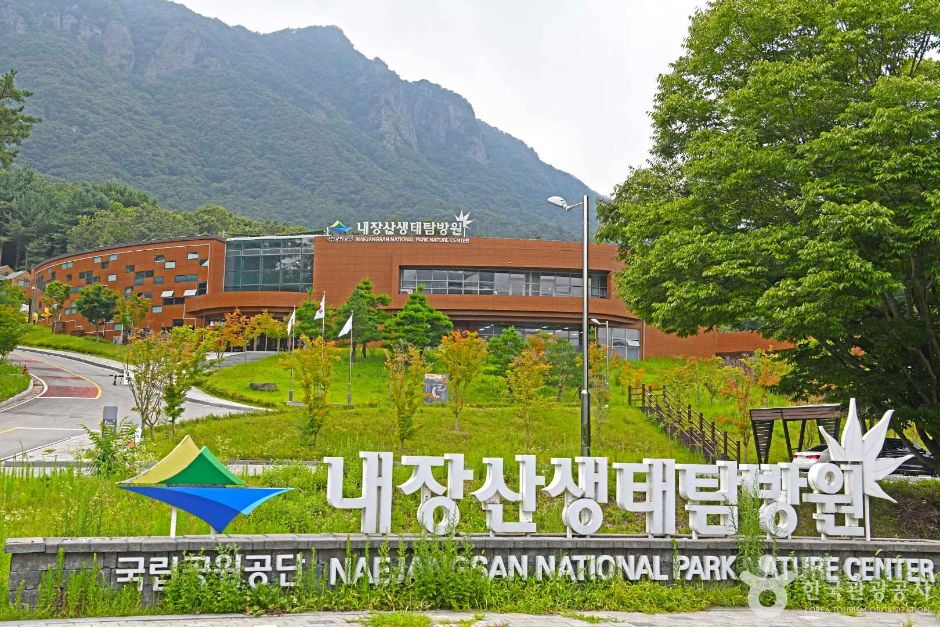
266 Naejanghoban-ro, Ssangam-dong, Jeongeup-si, Jeollabuk-do Special Self-Governing Province
Exploration and education center themed on Naejangsan’s natural ecology
A good place to visit with children while listening to ecological commentary.
Distance: 6.2 km
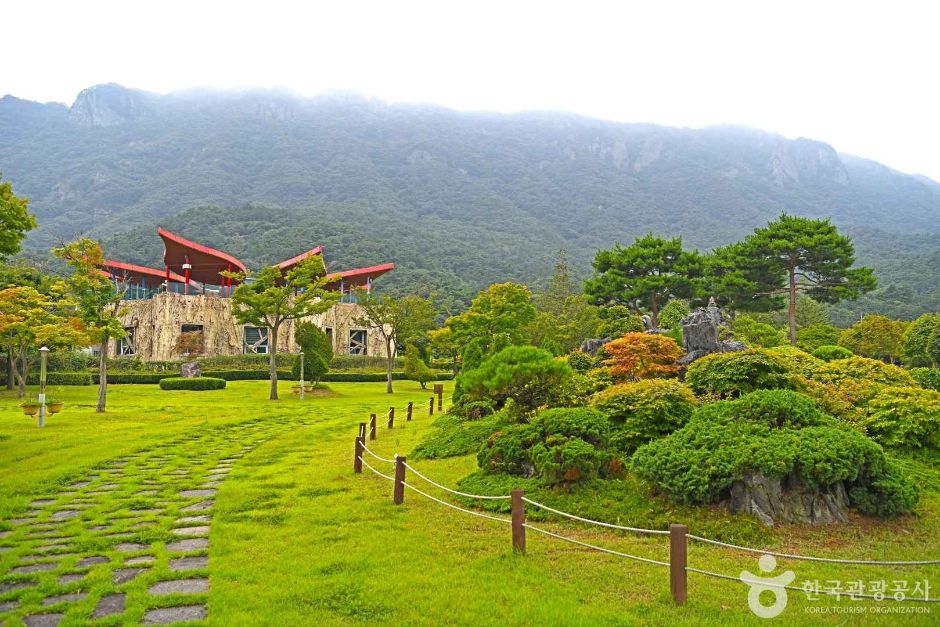
560 Naejang-dong, Jeongeup-si, Jeollabuk-do Special Self-Governing Province
Ecological park famed for its beautiful autumn foliage and walking trails
During foliage season, visit early in the day to enjoy the scenery in peace.
Distance: 6.2 km
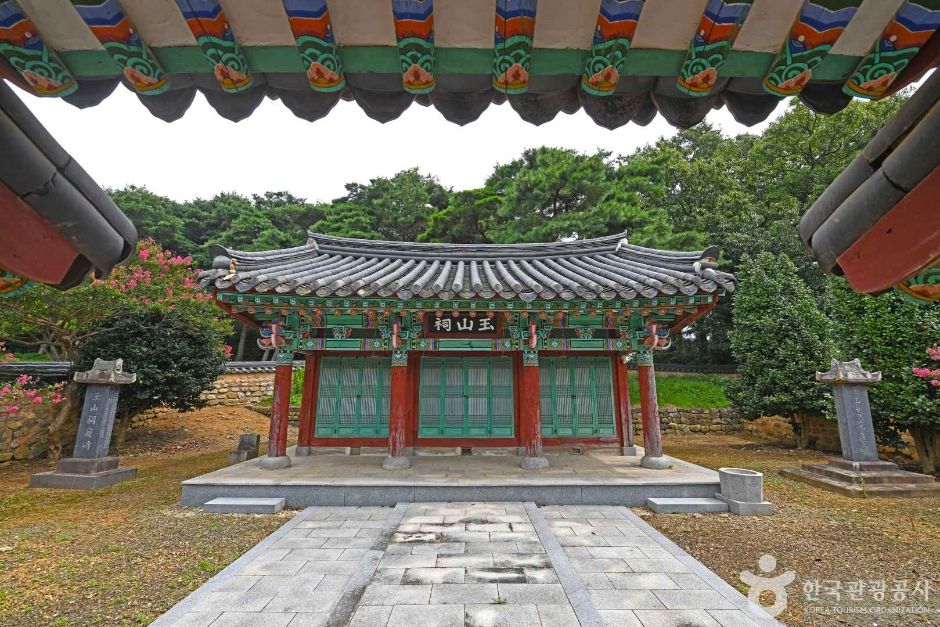
9 Aedangmochon-gil, Soseong-myeon, Jeongeup-si, Jeollabuk-do Special Self-Governing Province
Confucian cultural site combining traditional academy architecture with a quiet village setting
Stroll through the pristine courtyard to enjoy some tranquil time.
Distance: 7.7 km

Naejang-dong, Jeongeup-si, Jeollabuk-do Special Self-Governing Province
Representative tourist area combining Naejangsan sightseeing with lodging and dining facilities
During foliage season, plan your route in advance to avoid peak congestion times.
Distance: 8.4 km
Ssanghwacha Street has an even calmer ambience in the evening.
Getting There
Public Transport — From Jeongeup Intercity Bus Terminal, take a city or village bus to Jeongeupsa Park and the downtown area, then transfer to routes toward Museong Seowon, Pihyangjeong, or Okjeongho. If you are using KTX Jeongeup Station, buses and taxis in front of the station provide connections to downtown and the Naejangsan area.
By Car — From central Jeongeup, follow the national roads toward Naejangsan National Park or toward Pihyangjeong in Taein-myeon and the Okjeongho Gujeolcho Theme Park. Parking is available near each attraction; however, during foliage season and when the Gujeolcho is in bloom, allow extra time in your schedule anticipating parking congestion.
Since this course connects multiple attractions, if you are driving, pre-enter the next destination into your navigation system for convenience.
Closing
The “Capturing the Best of Jeongeup” course links together the nature of Naejangsan and Okjeongho with Confucian academies, pavilions, and old houses. As you walk slowly for a day through mountains, fields, and tranquil village scenes, the gentle grain of Jeongeup’s character quietly seeps into your heart.
When you want to step away from the pace of the city for a while and long for a place with just enough quiet air and timeworn stories, this course will suit you well. If you choose your season and time of day with a bit of care, Jeongeup’s landscapes will welcome you with an even calmer and deeper face.