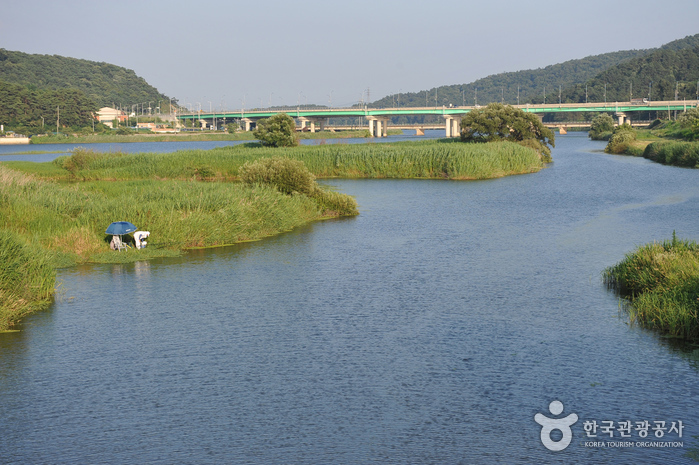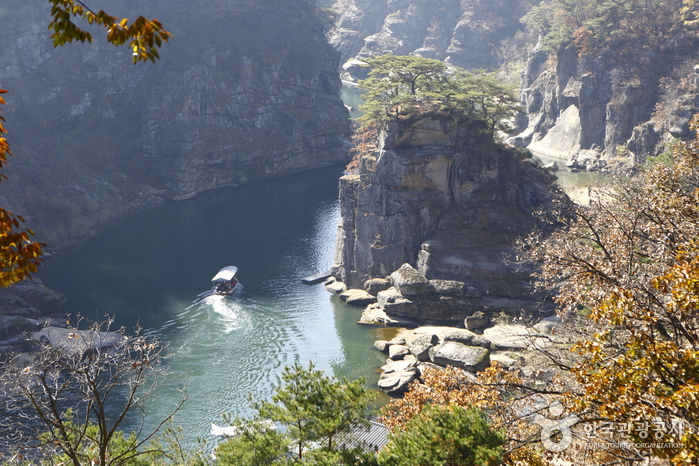
Scenery of a 2‑Day, 1‑Night Trip Linking the Seas of Busan and Ulsan
Introduction
Following the road where Busan’s long coastline meets the foothills of Ulsan, you’ll find that even a short 2‑day, 1‑night trip can leave a surprisingly deep impression. The smell of bulgogi grilling over charcoal, the sound of waves, and the lights spreading across the sea at sunset naturally connect each scene of the day.
Scenery of a 2‑Day, 1‑Night Trip Linking the Seas of Busan and Ulsan
Contents
- Guide
- Program Information
- Trip Impressions
- Accommodation
- Restaurants & Cafés
- Nearby Attractions
- Getting There
- Conclusion
- Photo Snapshots
- Videos
- Related News
Guide
- Course Name : Busan and Ulsan in One Go! Recommended 2‑Day, 1‑Night Travel Course
- Trip Duration : 2 days, 1 night
- Total Travel Distance : Approx. 115 km
- Estimated Travel Time : Approx. 2 hours 40 minutes (driving time)
- Travel Theme : Ulsan nature experience + Busan sea, night views, and city walks
- Inquiries : We recommend using the Ulsan and Busan Tourist Information Centers
- Day 1 · Lunch Start your trip with a hearty, old‑style Eonyang bulgogi at Ulsan Eonyangjinmi Bulgogi.
- Day 1 · Afternoon Enjoy mountain culture and experience facilities at the Yeongnam Alps Complex Welcome Center, then visit Boncheeseori Yujin Ranch for farm activities and dairy products.
- Day 1 · Evening Head to Haeundae in Busan and take the Yoteutallae sunset and night view tour, admiring the lights of Gwangandaegyo Bridge and Marine City.
- Day 1 · Night Take a light stroll to enjoy the nightscape at The Bay 101 and the coastal scenery around Haeundae Blueline Park.
- Day 2 · Morning Ride the Haeundae Blueline Park Beach Train or Sky Capsule to take in the dramatic coastal scenery along the Mipo–Cheongsapo–Songjeong section.
- Day 2 · Afternoon Look out over the city of Busan from the Myeongran Brand Lab café, then walk along Choryang Ibagu‑gil and trace Busan’s bygone days.
Public transport is convenient in central Busan, while driving or renting a car is easier for getting between Ulsan and cities.
This course starts at Ulsan Eonyangjinmi Bulgogi, continues with nature experiences at the Yeongnam Alps Complex Welcome Center and Boncheeseori Yujin Ranch, then moves on to Busan for Yoteutallae, The Bay 101, and Haeundae Blueline Park. Passing by mountains, fields, ranches, and the sea in turn, you’ll encounter both the unadorned nature of Ulsan and the dazzling coastal scenery of Busan.
At Myeongran Brand Lab and Choryang Ibagu‑gil, you can feel Busan’s history and urban character up close. With a route that combines bulgogi and dairy products, coastal night views, and alleyway strolls, it’s a versatile 2‑day, 1‑night course that suits couples, families, and friends alike.
Program Information
Starting as the first butcher shop in Eonyang 60 years ago, this place has carried on its tradition to this day, serving Eonyang bulgogi with seasoning that uses as little sodium as possible. Fresh beef is sliced on the spot, mixed with marinade, then grilled over white charcoal made from oak. Because the seasoning doesn’t overpower the meat, the initial taste is mildly sweet, and the more you chew, the more you taste the rich, nutty flavor unique to Korean beef cows.
This is a combined nature and culture space nestled in the Yeongnam Alps foothills, featuring the Alps Cinema, Lightning Man Experience Center, an international climbing gym, and a mountain literature hall against a backdrop of beautiful mountain ridges. It’s an open space where the whole family can enjoy activities and relax, with a good mix of indoor and outdoor programs.
This rural convergence‑type ranch has been run across two generations for 36 years. It processes and sells a variety of dairy products made from its own raw milk and offers hands‑on experiences. With additive‑free products, eco‑friendly and antibiotic‑free certification, and HACCP‑certified facilities, you can see daily life at the ranch and its dairy production up close.
This program takes you around the waters off Haeundae and Gwangalli on a 2020 twin‑hull yacht. There’s a sunset tour to watch the sun go down and a night tour to enjoy the evening views of Gwangandaegyo Bridge and Marine City from the sea. The yacht’s stylish interior also makes it a great spot for taking photos.
This complex cultural and arts space brings together Haeundae’s sea and mountains with modern skyscrapers, and at night it’s especially crowded with travelers seeking the spectacular night views. With a seaside promenade lined with cafés and restaurants, it’s loved as one of Haeundae’s signature nightscape spots.
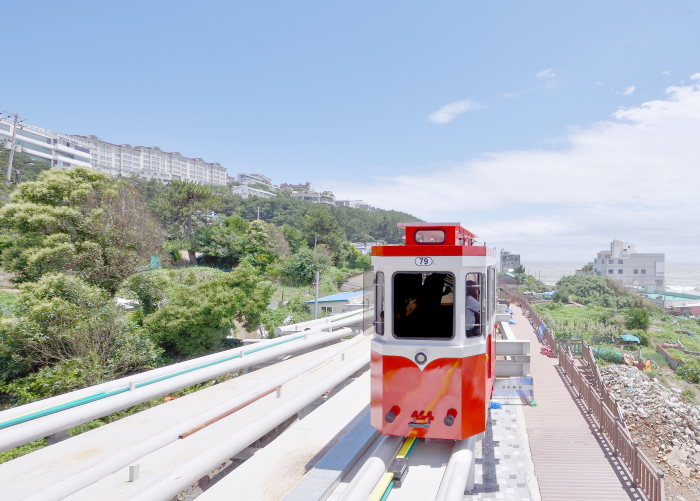
This coastal attraction was created by eco‑friendly redevelopment of 4.8 km of the old Donghae Nambu Line railway between Haeundae Mipo, Cheongsapo, and Songjeong. The Haeundae Beach Train is both a sightseeing train and a mode of transport running along the coast, while the Haeundae Sky Capsule is a four‑person capsule on an elevated rail that lets you look down over the coastal landscape. The colorful capsules combined with the sea make for an unforgettable view.
This café and research lab was created by Dong‑gu District Office in Busan to promote pollack roe (myeongran), and offers a variety of menu items featuring pollack roe. Except for the first floor, the space is operated for public interest, and from the café you get a wide view over downtown Busan and the harbor, making it a good spot for dates and family outings.
This 1.5 km alleyway walking trail preserves traces from the opening of Busan Port, the Korean War refugee period, and the era of industrial growth. Starting from the site of the old Namsun Warehouse opposite Busan Station, the route is laid out to follow Busan’s passage through time, passing the old Baekje Hospital building, Ibagu Gallery, the 168 Stairs, Kim Min‑bu Observatory, and Mangyang‑ro.
The Yeongnam Alps Complex Welcome Center is open from 9 a.m. to 10 p.m., and closes every Monday, on January 1, and on Lunar New Year’s Day and Chuseok day. If you plan to use both indoor and outdoor programs, it’s a good idea to check the operating hours in advance and plan your route accordingly.
Choryang Ibagu‑gil is about 1.5 km long, running from the site of the old Namsun Warehouse up to the observatory and Mangyang‑ro. As there are uphill stretches and stairways, comfortable shoes are recommended, and it’s best to allow enough time for a leisurely look around.
Daewangam Park has four flat walking routes—Coastal Trail, Legend Rock Trail, Pine Forest Trail, and Four Seasons Trail—as well as a suspension bridge. If you give yourself plenty of time, you can divide up the different courses and enjoy the sea views of Ulsan at a relaxed pace.
Choryang Ibagu‑gil has some steep sections, so comfortable footwear is recommended.
The Daewangam Park suspension bridge is open free of charge, so it’s worth visiting with enough time to look around.
Trip Impressions
After completing a 2‑day, 1‑night trip through both Busan and Ulsan, the two cities left me with distinct but complementary impressions. In Busan, the energy overflowing along seaside areas like Haeundae and Mipo caught my eye first, while older neighborhoods such as Gamcheon Culture Village and Choryang Ibagu‑gil quietly drew me in with their subtle charm. Crossing over to Ulsan, the lawns of Taehwagang National Garden and the bamboo grove of Simni Bamboo Forest offered a different rhythm from the city—there were many moments where I naturally slowed down and took deeper breaths as I walked.
In particular, Taehwagang National Garden has no admission fee, and its well‑maintained paths and benches make it easy to pause along the way and fully enjoy the sunlight filtering through the trees and the breeze off the river. At Ganjeolgot Cape, the atmosphere felt even more sentimental when I visited at dawn, and as I watched the sun rise beyond the horizon, the sound of the waves and the calm feeling it brought stayed with me for a long time. Both in Busan and Ulsan, the vibe is very much that of locals out for a walk, so the air felt less hectic than expected, and I could take my time soaking in the early‑morning and late‑night scenery.
The most comfortable flow for the trip was to cover Busan’s main sights, food, and accommodation on the first day, then shift to Ulsan’s natural attractions on the second day. For example, on day one I visited Gamcheon Culture Village in Busan, strolled along Haeundae’s coastal path, and stayed at a hotel near Haeundae. The next day, I filled up with Eonyang bulgogi, then visited Daewangam Park for sunrise, walked around Taehwagang National Garden, and toured Jangsaengpo Whale Culture Village, making for a fully packed day. Choosing accommodation near Taehwagang made both the views and transportation convenient, allowing for a bit more breathing room despite the short schedule.
In terms of transport, the subway and buses are well connected within central Busan, but for travel between Busan and Ulsan, or between Ulsan’s natural attractions, using a car, rental car, or taxi was definitely more convenient. The 2‑day, 1‑night schedule passed faster than I expected, so rather than trying to squeeze in too many places, focusing on the main sights made it less tiring physically. It was a trip that left me wanting to return, and I felt it would suit couples, friends, or families equally well, as everyone can enjoy the scenery at their own pace. Personally, the natural landscapes at Taehwagang National Garden and Ganjeolgot stayed with me the longest, and I’d like to go back again in another season to catch the flowers and sunrise.
Accommodation
Since this course covers both the Haeundae area in Busan and the Taehwagang and Dong‑gu areas in Ulsan, staying near Haeundae on the first night and near Taehwagang National Garden on the second night will cut down on travel time. Choosing a room with a good view lets you end your day while taking in sea and river scenery in turn.
Restaurants & Cafés
The culinary highlights of this course are the bulgogi in Eonyang, Ulsan and the pollack roe café in Dong‑gu, Busan. Enjoy Eonyang bulgogi in Ulsan on the first day, then on the second day relax over a cup of coffee at Myeongran Brand Lab while looking out over Busan—this makes your itinerary and time management much smoother.
Myeongran Brand Lab has excellent views, so timing your visit for sunset is ideal for taking photos.
Nearby Attractions
If you have extra time on your Busan–Ulsan trip, it’s a good idea to add nearby experience‑focused attractions. As long as the travel distance isn’t too long, try combining forests and the sea in the morning with indoor experience spaces in the afternoon to create a balanced, manageable loop course.
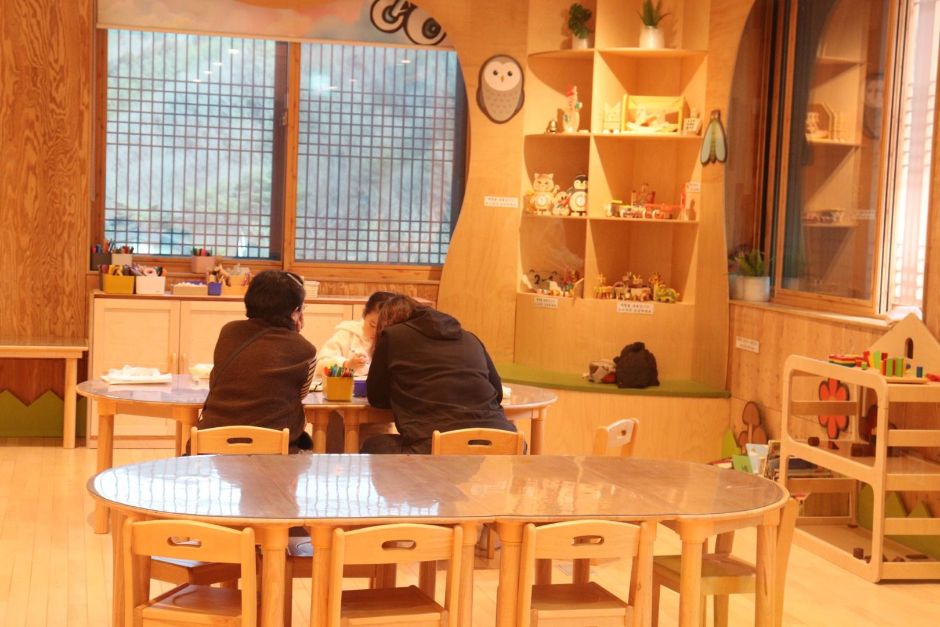
A hands‑on wood culture space where you can touch and learn about wood directly.
It’s a suitable place for simple craft activities with children and a good addition to your itinerary on days when you need indoor activities.
Getting There
Public Transport — To reach Daewangam Park from Ulsan Airport, take bus no. 102 or 122 and get off at “Daewangam Park Entrance” stop. From Taehwagang Station or the intercity bus terminal, take buses 108, 124, 133, or 401; it’s convenient to combine this with a visit to Taehwagang National Garden.
By Car — When driving to Daewangam Park, set your navigation destination to “140 Deungdae‑ro, Dong‑gu, Ulsan” for convenience. Because this is a 2‑day, 1‑night course linking Busan and Ulsan, using a car or rental car is generally advantageous for intercity travel and for getting between Ulsan’s nature attractions.
During peak season, taxi demand may spike after watching the sunrise at dawn, so it’s a good idea to have a ride‑hailing app ready in advance.
Conclusion
This 2‑day, 1‑night course linking Busan and Ulsan is a journey that captures Ulsan’s mountains and ranches together with Busan’s sea and city alleys. Starting with Eonyang bulgogi grilled over charcoal, passing through the Yeongnam Alps and ranch experiences, then continuing on to Haeundae’s yacht night views, the Beach Train, the pollack roe café, and an Ibagu‑gil stroll, the flow naturally sets the rhythm of your days.
Although there is a fair amount of travel distance, if you keep your schedule relaxed you’ll have enough time to truly feel the atmosphere of each place as you walk. If you’re looking to slow your steps for a while amid scenery that alternates between sea and river, forest and city, the lingering impressions this course leaves will stay with you longer than you might expect.