The Hidden Texture of Jeongeup, Quiet Fields in View
Introduction
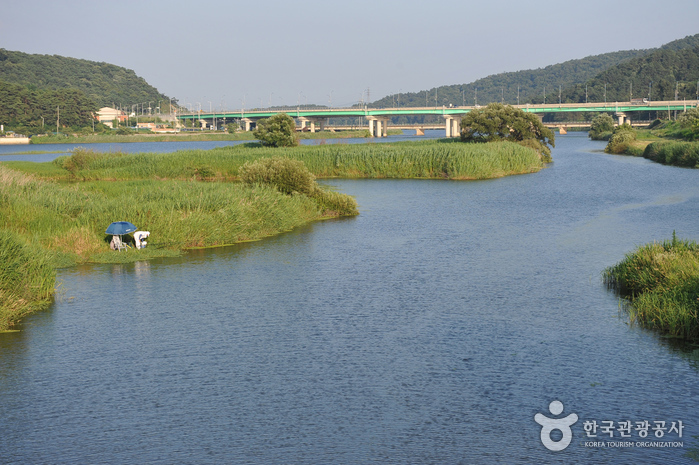
The deeper you drive into the foothills of Naejangsan, the more the pace of the city gradually slows. Between the passing views of rice paddies and forests outside the window, the quiet texture of Jeongeup reveals itself, and villages steeped in old songs and memories of revolution only come into full view when you walk through them slowly, one step at a time.
The Hidden Texture of Jeongeup, Quiet Fields in View
Contents
- Guide
- Program Information
- Trip Impressions
- Where to Stay
- Restaurants & Cafés
- Nearby Attractions
- Getting There
- Closing
- Photo Snapshots
- Videos
- Related News
Guide
- Course Name : Capturing the Essence of a Jeongeup Trip
- Trip Type : One-day course (about 8 hours)
- Travel Distance : About 70 km
- Main Stops : Jeongeupsa Park, Donghak Peasant Revolution Centennial Monument, Pihyangjeong Pavilion, Museongseowon Confucian Academy, Jeongeup Kim Dong-su House, Okjeongho Gujeolcho Theme Park area
- Location : Jeongeup-si, Jeonbuk Special Self-Governing Province (Naejangsan National Park and Jeongeup city center & outskirts)
- Inquiries : It is recommended to use the tourism information network of local authorities such as the Jeongeup City Tourist Information Center.
- Recommended For : Families, couples, and small groups who want to enjoy natural scenery and historical sites together
- 09:00 Start at Jeongeupsa Park, taking in the Mangbuseok Rock and shrine while appreciating both the story behind the song “Jeongeupsa” and the scenery at the foot of Naejangsan.
- 10:30 Walk around the Donghak Peasant Revolution Centennial Monument and Naejang Reservoir, reflecting on the significance of the Donghak Peasant Revolution.
- 12:00 Enjoy lunch—such as Korean full-course set meals, Korean beef, or knife-cut noodles—at a restaurant in downtown Jeongeup or near Naejangsan, taking a short break.
- 13:30 Stroll around Pihyangjeong Pavilion, the surrounding pond, and traditional houses, soaking in the charm of a late-Joseon pavilion.
- 15:00 Visit Museongseowon Confucian Academy and the Jeongeup Kim Dong-su House in turn, observing seowon architecture and the layout of an upper-class mid-Joseon hanok residence.
- 16:30 Wrap up with a leisurely walk at Okjeongho Gujeolcho Theme Park, admiring lake views and fields of Gujeolcho (chrysanthemum) flowers.
Using a private car or rental makes it much easier to move between downtown Jeongeup, Naejangsan, and Okjeongho.
The “Capturing the Essence of a Jeongeup Trip” course is a calm, one-day journey that traces the heart of Jeongeup, a city embracing Naejangsan National Park. True to its reputation as the home of the Goryeo folk song “Jeongeupsa,” the course begins at Jeongeupsa Park, then moves on to the monument commemorating the Donghak Peasant Revolution, Pihyangjeong—known as the finest pavilion in Honam—Museongseowon honoring the Silla scholar Choe Chiwon, the upper-class late-Joseon residence Kim Dong-su House, and finally Okjeongho Lake embroidered with Gujeolcho flowers, linking history, nature, and traditional pavilions into one line.
Following the roughly 70 km route, you encounter the tranquil face of Jeongeup where mountains and lakes, old houses and academies blend harmoniously. Rather than racing through the major highlights, the more slowly you linger to feel the breath of those who lived here before and the quiet of the fields, the richer and more textured your trip becomes.
Program Information
At Jeongeupsa Park in Sigidong at the foot of Naejangsan, you can see the Mangbuseok Rock and shrine associated with the legend of “Jeongeupsa.” The spacious park is equipped with sports facilities, and the nearby arts center and Korean traditional music hall are also worth visiting together.
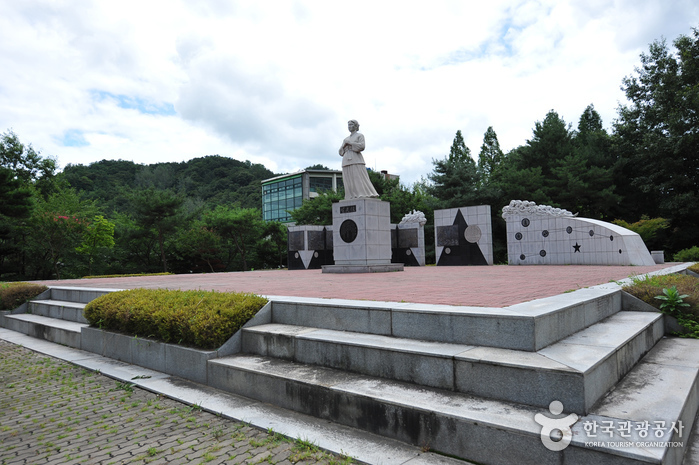
Built in 1997, the Donghak Peasant Revolution Centennial Monument stands overlooking Naejang Reservoir. The main and auxiliary towers made of granite, marble, and black slate stone symbolically embody the ideals of the Donghak Peasant Revolution and the spirit of national uprising.
Pihyangjeong, named after the lotus fragrance that rises from the pond, is one of the representative pavilions of the Honam region. It is said to have been built by the pond where Choe Chiwon once enjoyed music and poetry during the reign of King Jeonggang of Silla, and its current form dates back to its reconstruction during the reign of King Injo of Joseon.
Museongseowon, located on the slopes of Seonghwangsan, is a Confucian academy dedicated to both Choe Chiwon and local magistrate Shin Jam of Taein. It preserves valuable materials for seowon studies and holds high academic value, while the surrounding fields add to the academy’s quiet, contemplative atmosphere.
The Kim Dong-su House, a classic example of an upper-class residence from mid-Joseon, is often called a “ninety-nine-room house,” a typical large hanok layout. Backed by Changha Mountain and facing the upper reaches of the Dongjin River, it greets you beyond its elevated main gate with a harmoniously arranged sarangchae (men’s quarters) and pond.
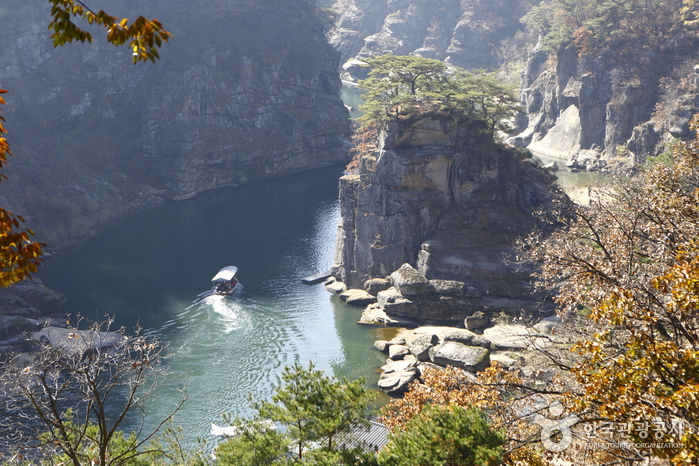
The Gujeolcho Theme Park at the uppermost reaches of Okjeongho Lake combines lakeside scenery with wild Gujeolcho flowers growing in the pine forest. Of its roughly 12 ha, about 5 ha are flower fields; in autumn, you can walk among waves of white blossoms and feel the deepened autumn of Jeongeup.
If you begin the course in the morning, you can visit all the main spots within about 8 hours without rushing. Allowing generous short breaks at each location will greatly reduce travel fatigue.
Okjeongho Gujeolcho Theme Park has well-maintained walking paths, making it ideal for a quiet stroll through the pine forest where Gujeolcho grows naturally. The route alternates between lakefront and flower fields, offering great spots for photos.
At the Kim Dong-su House, take time to carefully observe the traditional house layout, including the pond in front of the gate, the sarangchae, and the elevated main gate. If you look closely at the pillars, wooden floors, and roofline, you’ll gain a deeper understanding of upper-class residential culture in mid-Joseon.
At the Kim Dong-su House, pay attention not only to the building exteriors but also to the arrangement of the pond and courtyard.
Trip Impressions
Here is a reflection after spending a leisurely day in Jeongeup. My first impression upon arrival was the calm of the mountain foothills. As I drove toward Naejangsan, the alternating stretches of rural fields and forests made me feel as though I was slowly dissolving into nature. In the space where the city’s noise and speed faded away, my mind felt noticeably lighter, and it seemed as if the light and wind of the season were quietly seeping in through the car window.
About a day and a half to two days were enough to see several of Jeongeup’s signature sights. Naejangsan National Park has well-maintained hiking trails, a maple-lined tunnel, and a cable car, with spots like Uhwajeong Pavilion, Yonggul Cave, and the Culture Plaza that are great for strolling and taking photos. Pihyangjeong, a late-Joseon pavilion with free admission, is close to the pond and a traditional house culture experience center, making it a good combined itinerary. For food, there are restaurants where you can properly enjoy Korean beef, and downtown cafés and simple noodle shops that are perfectly adequate. As for lodging, there are many hanok-style pensions near Naejangsan and stand-alone houses with large gardens and barbecue facilities, which are especially convenient for groups or families.
Public transportation was somewhat limited, and having a car or rental made it much easier to plan routes freely. Most accommodations and attractions had parking, so there was little inconvenience. I would be quite willing to visit again, especially because Naejangsan shows a different face each season; I’d like to return for the cherry blossoms in spring or the autumn foliage. I think this destination suits those who love nature and want a quiet healing trip, and it will be an exceptionally comfortable place for travelers seeking a relaxed retreat rather than a flashy urban scene.
Where to Stay
To fully experience the essence of this Jeongeup trip, it is important to choose accommodations that make it easy to go back and forth between Naejangsan and downtown Jeongeup. Opting for a hanok pension or a place with a garden allows you to visit historical sites during the day and wind down at night in the quiet of the mountain slopes.
Restaurants & Cafés
There are plenty of places for a hearty meal around downtown Jeongeup and the entrance to Naejangsan. If you choose spots close to your course route, you can fit in meals and coffee breaks without straining your schedule.
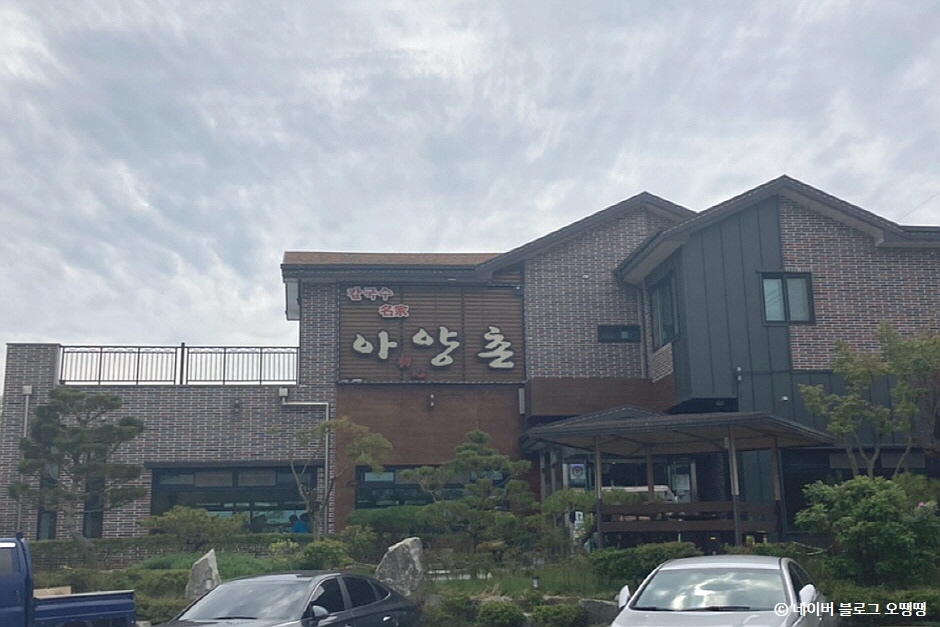
25 Songsan 1-gil, Jeongeup-si, Jeonbuk Special Self-Governing Province
A restaurant where you can enjoy knife-cut noodles in a rich seafood broth.
Around lunchtime you can eat relatively quickly and move on to your next stop.
Distance: 0.4 km
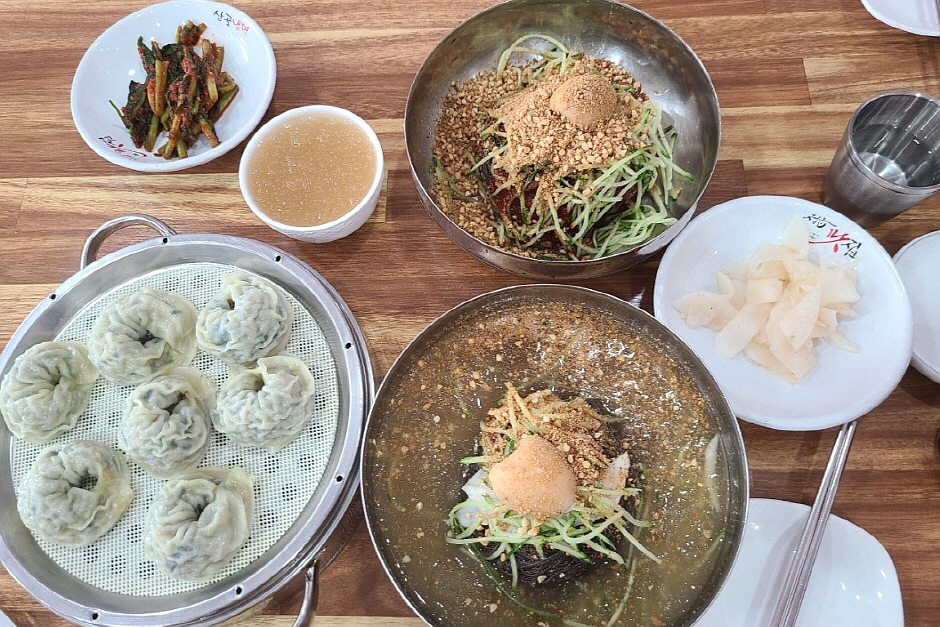
16-8 Naejangsan-ro, Jeongeup-si, Jeonbuk Special Self-Governing Province (Sangol Naengmyeon)
A restaurant near Naejangsan where you can enjoy refreshing cold noodles.
Its location makes it convenient for a light meal before or after hiking.
Distance: 1.1 km
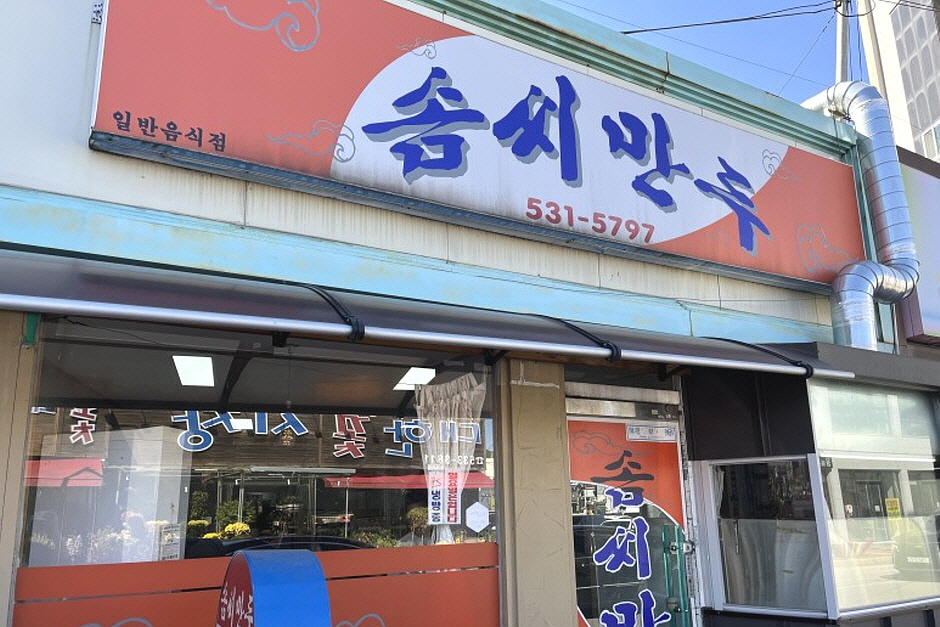
Gohyangjip Restaurant, 162 Jungang-ro, Jeongeup-si, Jeonbuk Special Self-Governing Province
A good spot for a simple meal of dumplings and soup.
Easy to drop by while passing through downtown Jeongeup, and the fast turnover usually keeps waiting times short.
Distance: 1.6 km
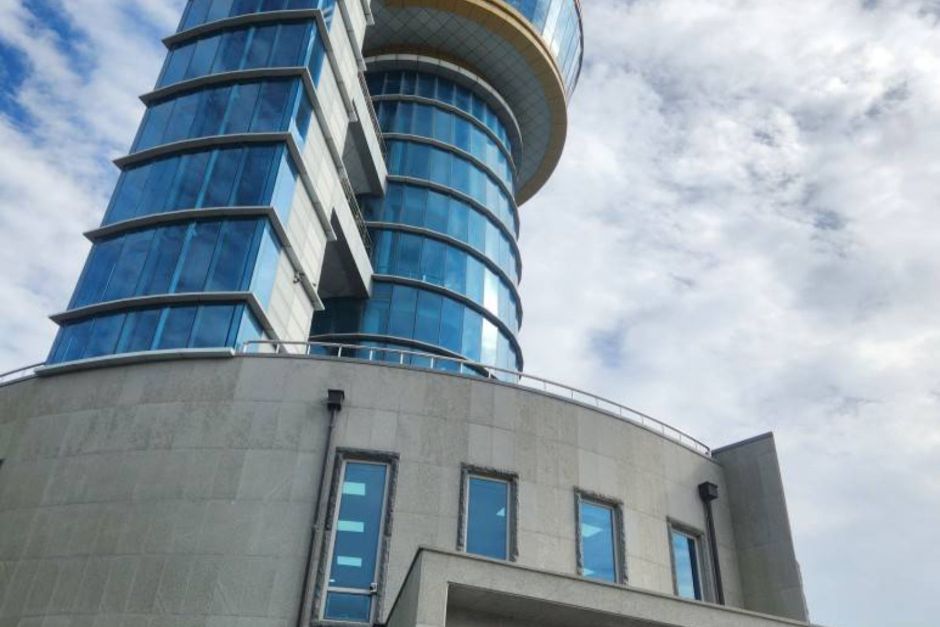
222 Naejangsan-ro, Jeongeup-si, Jeonbuk Special Self-Governing Province (Geumbung-dong)
A spacious café ideal for taking a break while enjoying the scenery along the Naejangsan slopes.
After a walk, it’s a great place to pause with a warm drink and gather your thoughts about the day.
Distance: 2.6 km
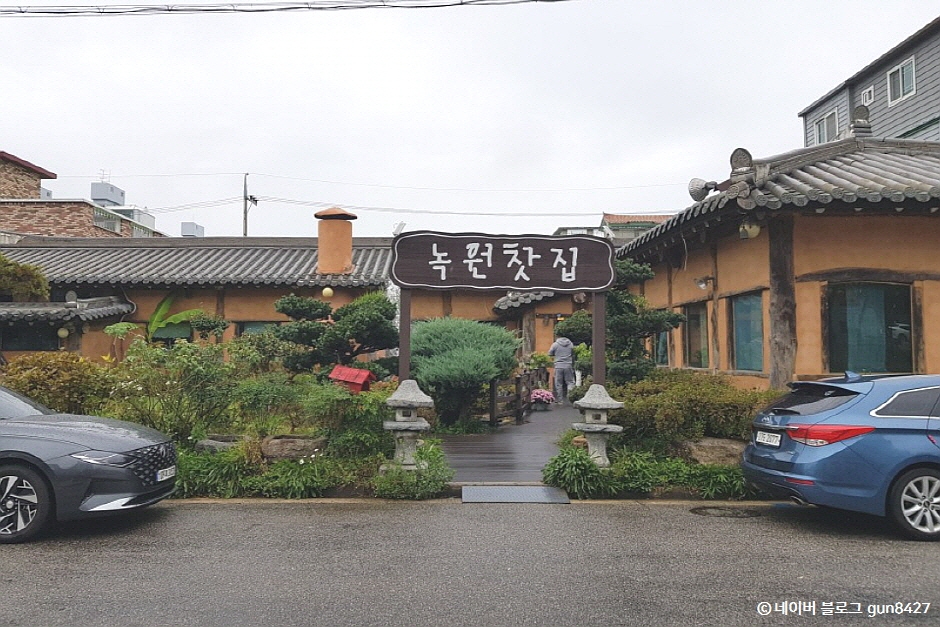
Nondureong Batdureong, 43-3 Suseong 3-ro, Jeongeup-si, Jeonbuk Special Self-Governing Province
A teahouse where you can enjoy traditional tea in a quiet, relaxed atmosphere.
Perfect for dropping in during your afternoon plans to savor a warm cup of tea at a leisurely pace.
Distance: 3.5 km
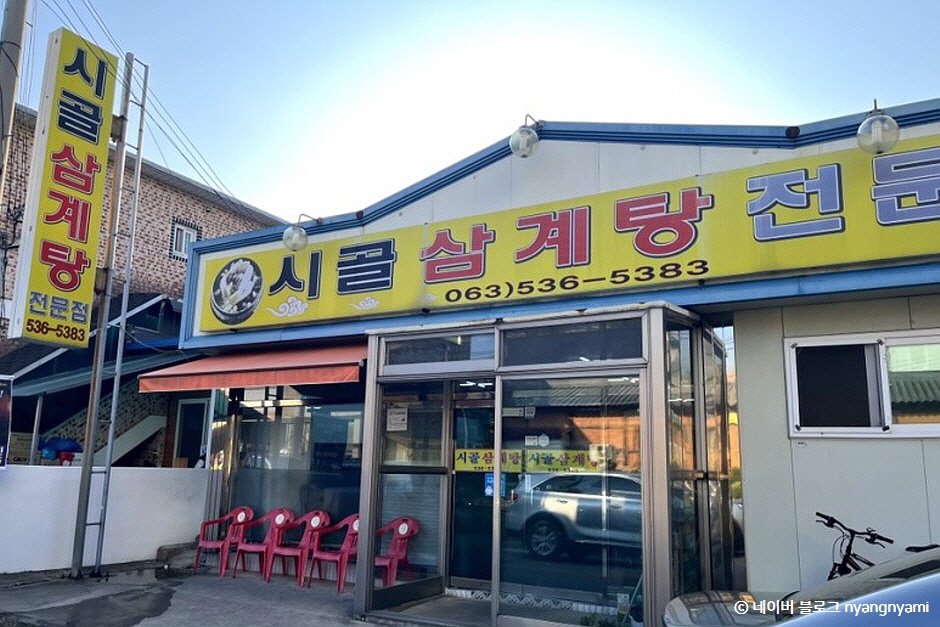
Sigol Samgyetang Specialty Restaurant, 39-7 Suseong 3-ro, Jeongeup-si, Jeonbuk Special Self-Governing Province
A great place to fill up on a hearty bowl of warm samgyetang (ginseng chicken soup).
Ideal for a restorative dinner when you want to ease the fatigue of a long day’s route.
Distance: 3.5 km
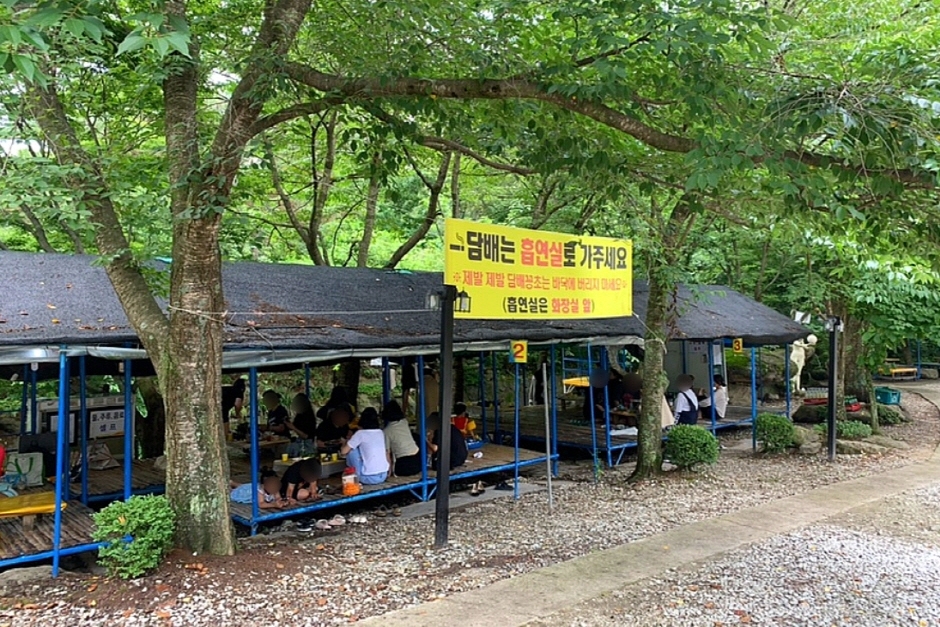
Saejae Garden, 133 Baekhak 2-gil, Jeongeup-si, Jeonbuk Special Self-Governing Province
A garden-style restaurant where you can enjoy a relaxed meal in nature.
It connects well with routes near Okjeongho, making it a good stop during your afternoon schedule.
Distance: 6.1 km
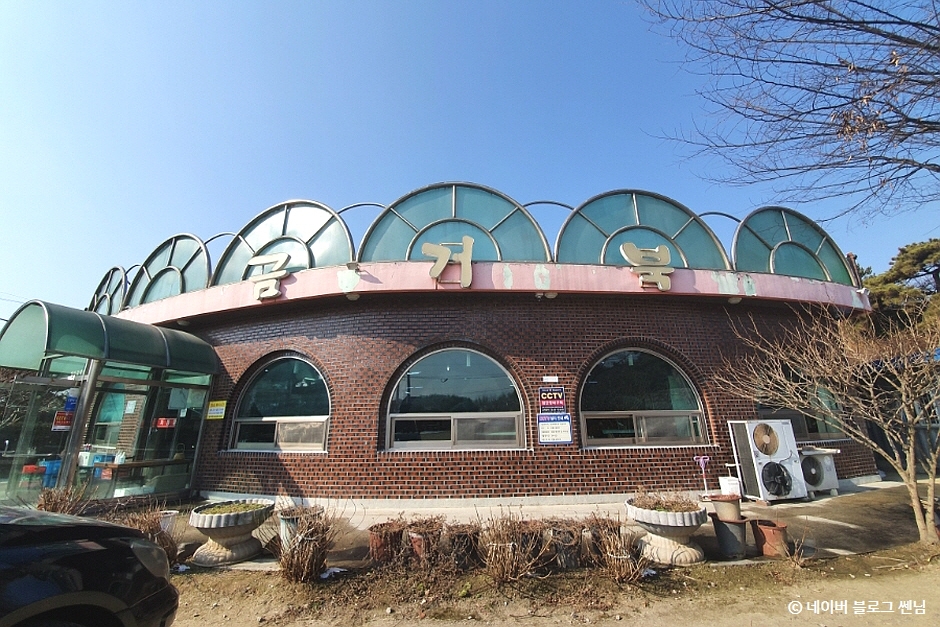
Geumgeobuk, 665 Jeongeupbuk-ro, Jeongeup-si, Jeonbuk Special Self-Governing Province
A convenient restaurant to stop by when heading toward northern Jeongeup.
If you plan your meals around movements to the outskirts, you can save time.
Distance: 7.8 km
Most major restaurants have parking, making them convenient even when traveling by car.
Nearby Attractions
In and around downtown Jeongeup and Naejangsan, there are several attractions that link naturally with this course. Distances are not great, so even adding just one or two spots can make your trip feel much richer.
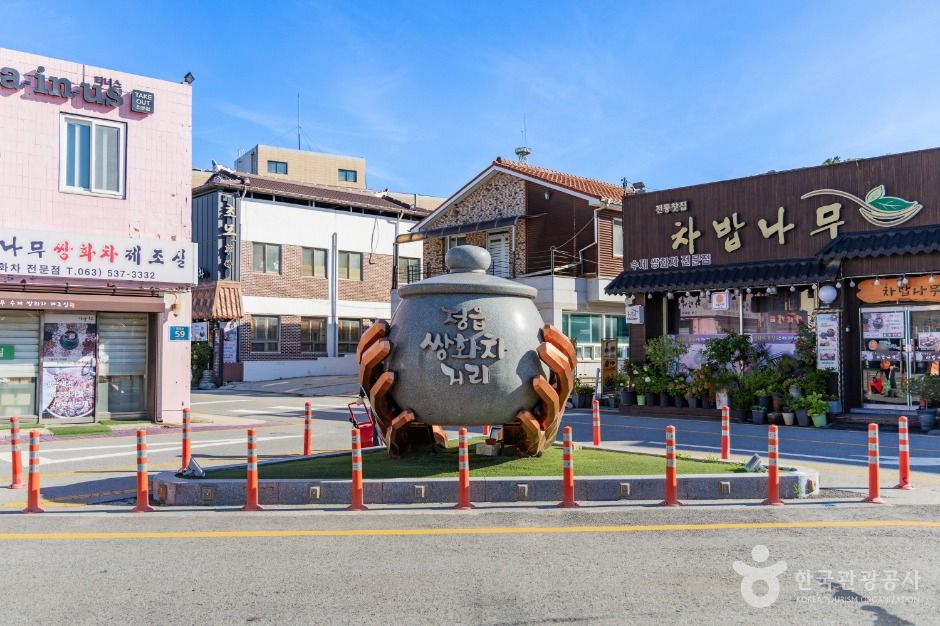
173 Jungang 1-gil, Jeongeup-si, Jeonbuk Special Self-Governing Province (Jangmyeong-dong)
A street where you can relieve your travel fatigue with a warm cup of ssanghwa tea.
Combine it with your downtown Jeongeup plans and take a slow stroll while choosing a teahouse to step into.
Distance: 1.7 km
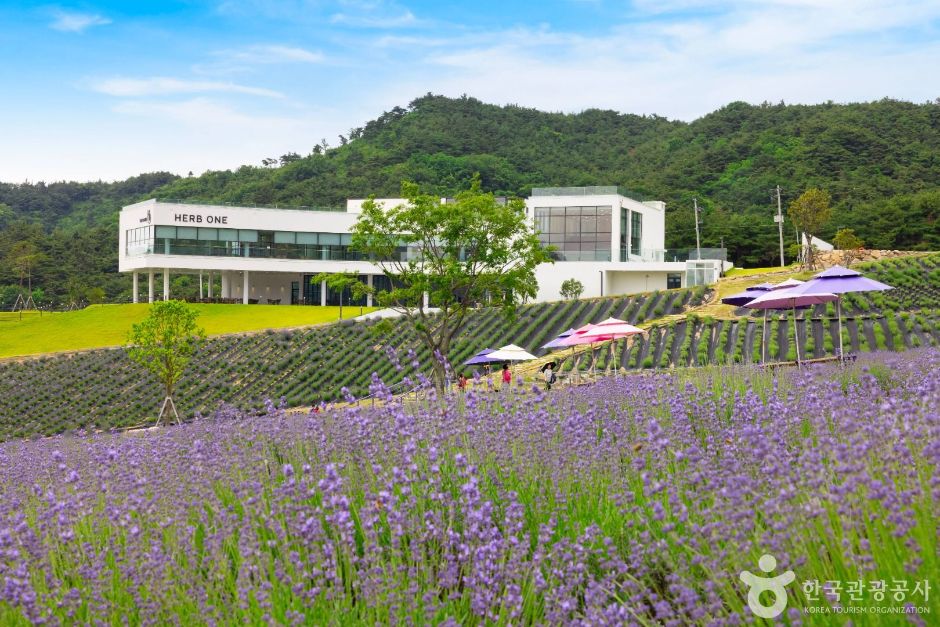
188-29 Guryang 1-gil, Jeongeup-si, Jeonbuk Special Self-Governing Province (Guryong-dong)
A garden-like space where you can get up close to a variety of herb plants.
Visit during a free time slot to enjoy a fragrant, unhurried walk.
Distance: 3.3 km
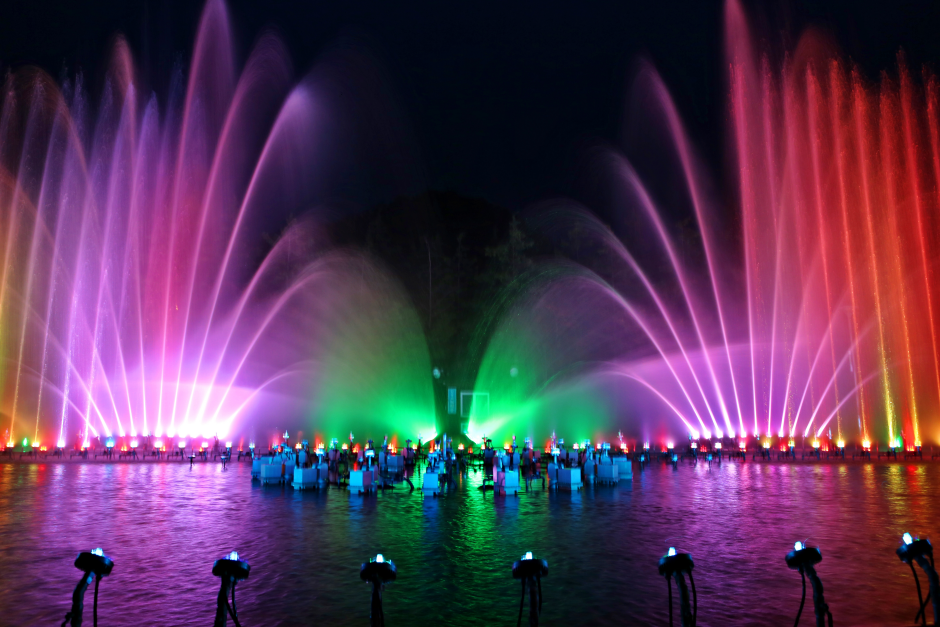
37 Naejanghoban-ro, Jeongeup-si, Jeonbuk Special Self-Governing Province
A family-friendly recreation area equipped with water play facilities.
In summer, a stop here together with a visit to Naejangsan makes time with children even more enjoyable.
Distance: 4.7 km
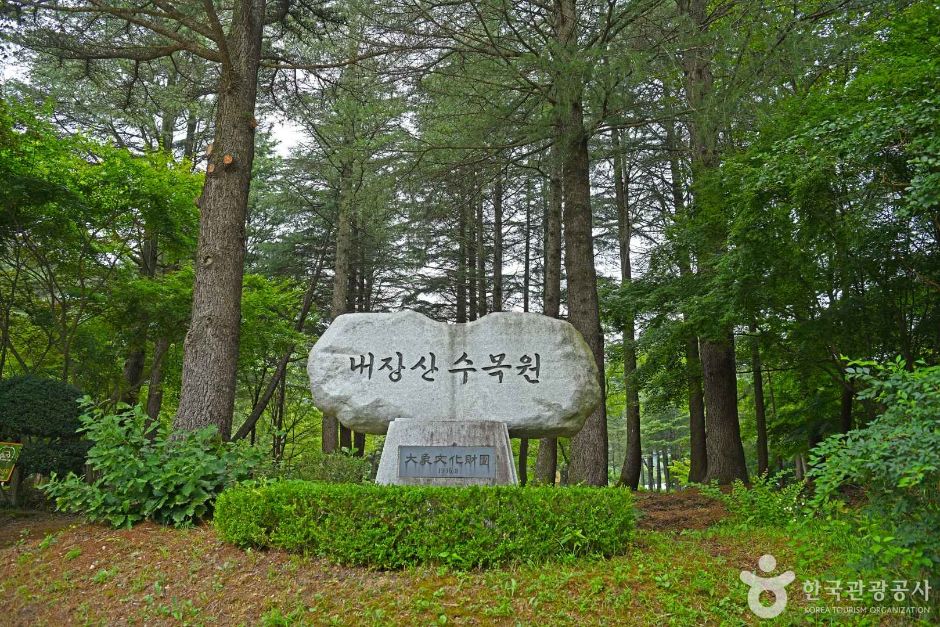
194-28 Naejanghoban-ro, Jeongeup-si, Jeonbuk Special Self-Governing Province
An arboretum where you can appreciate diverse trees and seasonal scenery year-round.
In foliage season the colors are spectacular, making it a very popular photo spot.
Distance: 5.6 km
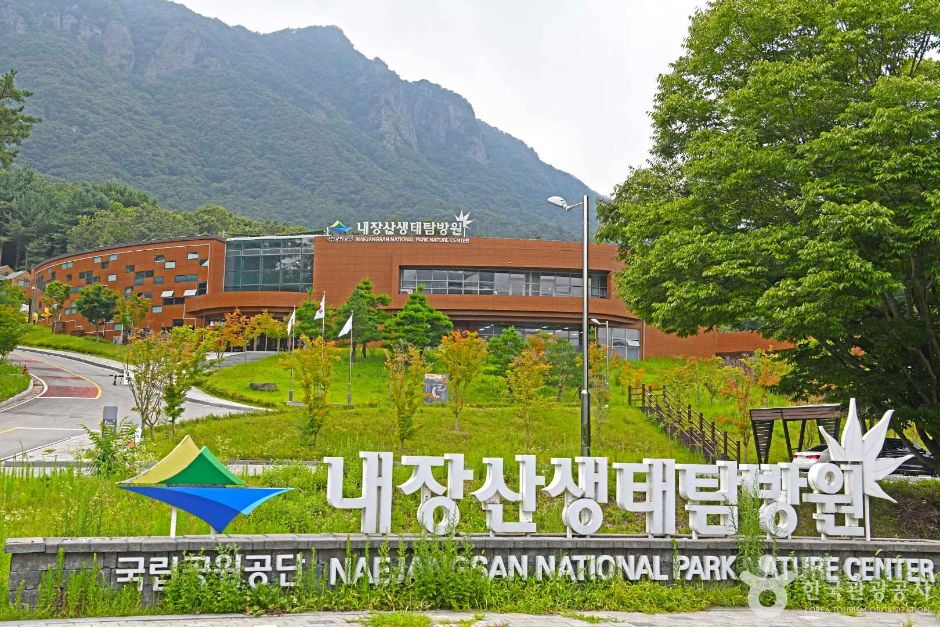
266 Naejanghoban-ro, Jeongeup-si, Jeonbuk Special Self-Governing Province (Ssangam-dong)
A visitor facility where you can learn about and experience Naejangsan’s natural ecology.
If you’re with children, check in advance for forest-interpretation walks or hands-on programs.
Distance: 6.2 km
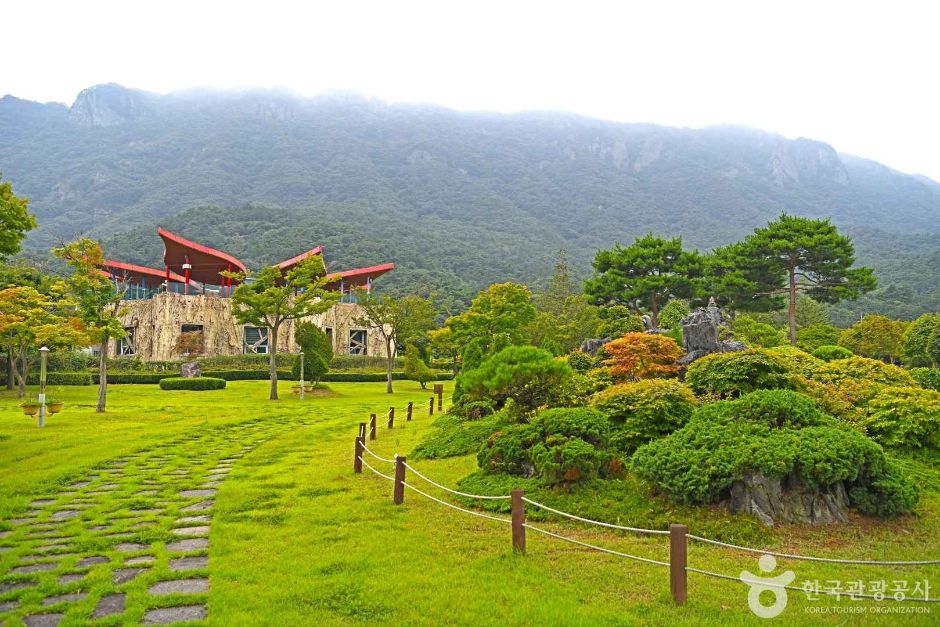
560 Naejang-dong, Jeongeup-si, Jeonbuk Special Self-Governing Province
A park where you can experience the colors of autumn foliage up close.
At peak foliage, it can get rather crowded, so visiting early in the day is recommended.
Distance: 6.2 km
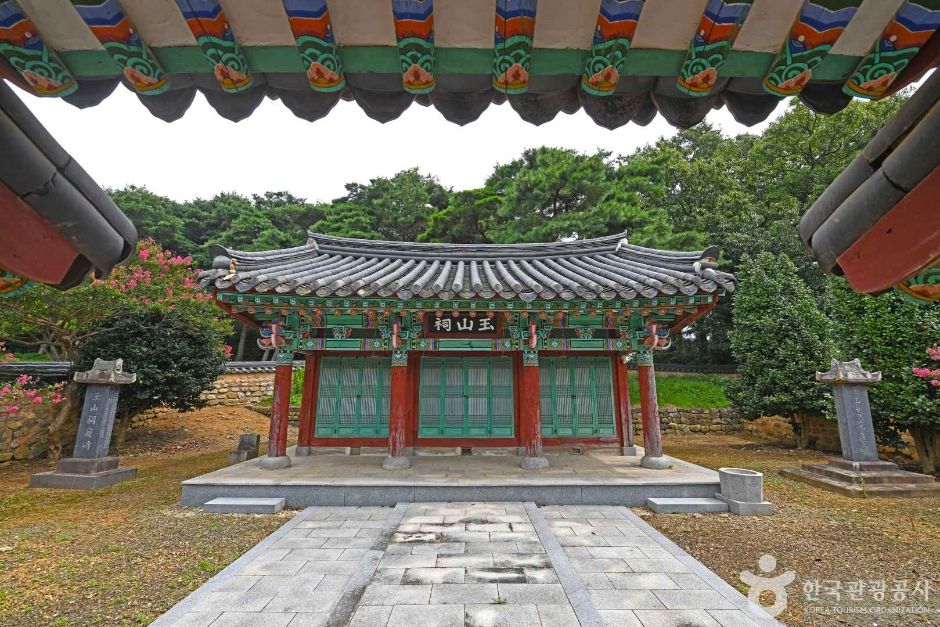
9 Aedaengmochon-gil, Soseong-myeon, Jeongeup-si, Jeonbuk Special Self-Governing Province
A historic Confucian academy where you can enjoy both seowon architecture and the surrounding field scenery.
When you want to extend your route to Jeongeup’s outskirts, we recommend visiting on a day with plenty of time.
Distance: 7.7 km

Naejang-dong, Jeongeup-si, Jeonbuk Special Self-Governing Province
The core tourist zone where visitor facilities and shops around Naejangsan are concentrated.
A convenient base where you can enjoy hiking, the cable car, food, and souvenirs all in one place.
Distance: 8.4 km
Rather than trying to cover both downtown Jeongeup and the Naejangsan area in a single day, consider splitting them and visiting one or two spots at a time depending on your interests.
Getting There
Public Transportation — It is somewhat difficult to cover downtown Jeongeup, Naejangsan, and Okjeongho entirely by public transportation due to limited routes and infrequent service. It is possible to get around by combining taxis and city buses from Jeongeup Intercity Bus Terminal, but you should allow for ample time in your schedule.
Car — Using your own car or a rental allows you to adjust the course route flexibly according to conditions. Most major attractions, restaurants, and accommodations have parking, so driving and parking are generally not burdensome.
Closing
This course, which captures the essence of a Jeongeup trip, invites you to momentarily set aside the speed of city life as you follow the path connecting Naejangsan, the lake, pavilions, and academies. It’s only about an eight-hour journey, but the quiet of the fields and the old stories that settle in along the way leave a lasting impression long after the trip is over.
If you want to pause and catch your breath quietly in nature, consider walking this route along Jeongeup’s mountains and waters, old houses, and academies at least once. Rather than flashy highlights, the understated scenery and relaxed pace will help lighten your mind.
Photo Snapshots
Videos